REVIEW · ROVANIEMI
Snowshoe Trip in the Wilderness
Book on Viator →Operated by Wild About Lapland · Bookable on Viator
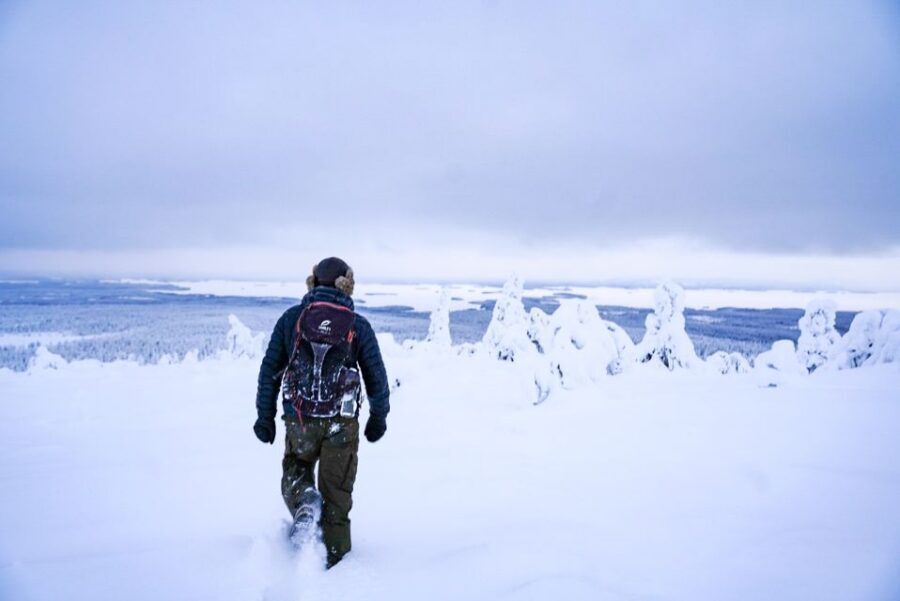
Snowshoes turn Lapland into a classroom. This 3.5-hour winter outing from Rovaniemi sends you into old forests and frozen river edges, where your guide teaches snowshoe technique and how to read animal signs without bothering wildlife. It’s relaxed, hands-on, and built for people who want real Arctic nature time, not just a quick photo stop.
I really like that you get thermal outerwear and snowshoe gear sorted for you, plus round-trip transportation back to Rovaniemi. I also like the way the experience mixes movement with practical skills: you’ll learn to track animals from what’s already in the snow and then build a fire using natural materials.
One thing to consider: it depends on good winter weather, and you’ll want to stay mentally ready for real cold (the fire-making instruction can be practiced in conditions down to -30°C).
In This Review
- Key Highlights You’ll Feel Right Away
- Why Rovaniemi Snowshoeing Feels Different Than a Standard Hike
- Getting From Rovaniemi to the Trail: Simple, Round-Trip, and Low-Stress
- Gear Setup in Cold Weather: What’s Covered and What You Should Still Bring
- The Guided Snowshoe Hike: A Relaxing Route With Real Arctic Nature
- Animal Tracking Tips That Don’t Disrupt Wildlife
- The Camp Break and Fire-Making From Scratch (Yes, Really)
- Snack Timing, Hot Drinks, and Staying Comfortable
- How the Small Group Changes Everything
- Price and Value: Is $106.82 Worth It?
- Who Should Book This Snowshoe Trip (and Who Might Prefer Another Option)
- Should You Book? My Straight Answer
- FAQ
- How long is the snowshoe trip?
- Where do I meet for the tour?
- What’s included in the price?
- Do I need to bring my own snowshoes or winter clothing?
- Do I need matches or a lighter for the fire-making?
- How big is the group?
Key Highlights You’ll Feel Right Away
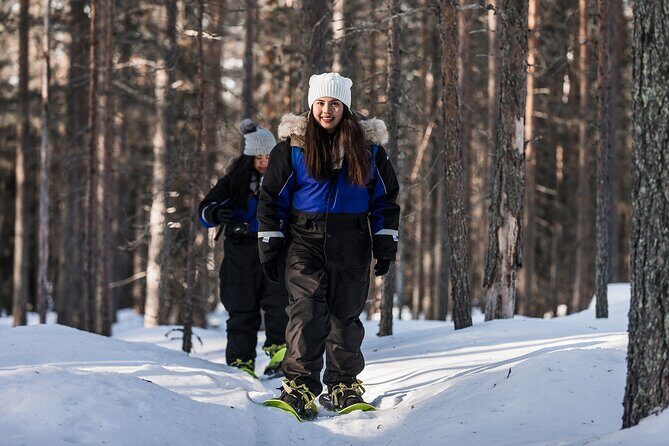
- Small group vibe (max 8 people), which makes it easier to keep a steady pace and ask questions
- All winter gear provided, including snowshoes and winter clothing, so you can pack lighter
- Animal tracking in the snow—looking for steps and signs without disturbing wildlife
- Fire-making from scratch, with natural materials and guidance suited for deep cold
- A camp snack stop with coffee/tea and warm food to reset you during the hike
- Beginner-friendly route, with walking that works well for first-timers
Why Rovaniemi Snowshoeing Feels Different Than a Standard Hike
This is the kind of Arctic activity where you don’t just walk through snow. You learn to see the forest the way local outdoors people do. The guide points out steps left in the snow and talks about wildlife behavior, so you start noticing details you would normally miss. That turns the walk into something interactive.
The second big difference is the fire-making piece. Building a fire in winter is not just a fun add-on. It’s a real survival skill in Lapland conditions, and the tour is taught in a way that makes it feel doable. You’ll also get the practical joy of a warm break—hot drinks and snacks—right in the middle of the trees.
If you’re into wildlife, photos, or just feeling physically tired in a good way, this hits all three. You’ll get a gentle cardio workout, but it’s paced around learning and staying safe.
You can also read our reviews of more tours and experiences in Rovaniemi
Getting From Rovaniemi to the Trail: Simple, Round-Trip, and Low-Stress
Your tour starts and ends back at the same place: Rovakatu 24, 96200 Rovaniemi. What makes this less stressful than self-organizing is the round-trip transport from Rovaniemi to the hiking area. You’re not spending your time negotiating buses or renting gear at multiple stops.
Depending on where your accommodation sits, you may also get hotel pick-up/drop-off outside the city center. That matters because Lapland winter days can feel long, and the less you need to plan around timing, the more relaxed the experience stays.
In practice, expect the drive from the office area to the trail area to be about 25 to 30 minutes. It’s enough time to shift from city mode to wilderness mode, but not so long that you lose energy before you even start walking.
Gear Setup in Cold Weather: What’s Covered and What You Should Still Bring
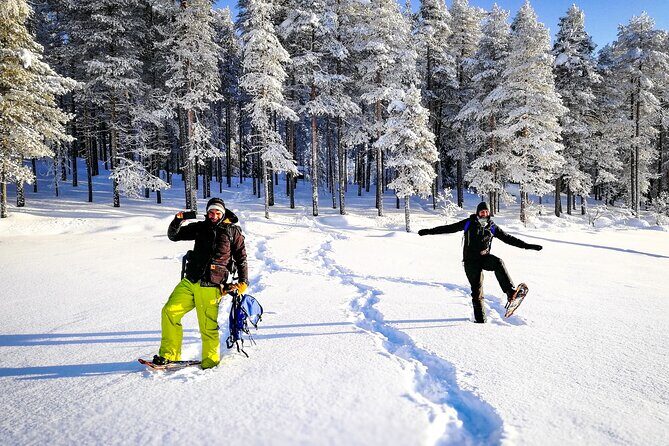
The tour includes snowshoes, winter clothing, and the thermal outerwear you need for comfort in subzero conditions. People also describe getting boots fitted to the snowshoes, which is a big deal because correct fit can prevent frustration fast. With gear handled, you can focus on walking and learning instead of troubleshooting straps.
You’ll also want to think about what you bring to protect your feet and legs. Even with winter clothing provided, snowshoe routes can sink deeper in some spots. A practical takeaway from the experience: wear waterproof footwear and consider ski-style pants or other snowproof lower layers that handle wet snow without soaking through.
For photos, pack a camera you can operate with gloves. This kind of outing is made for quiet forest views, wildlife-sign details in the snow, and the warm glow of a campfire break.
The Guided Snowshoe Hike: A Relaxing Route With Real Arctic Nature
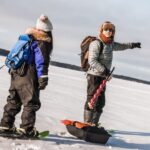
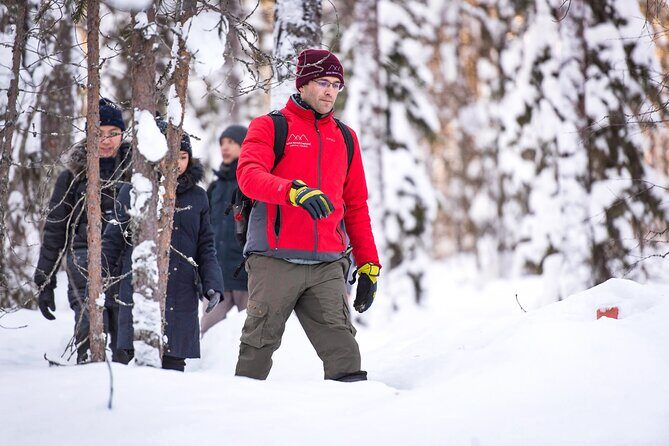
The route is designed to introduce you to snowshoeing while keeping the experience comfortable. You’ll learn how to walk on the snowshoes and then put that instruction into practice on a hike through old forest sections and frozen river surroundings.
Expect the trail to include small elevation changes and snow conditions that vary from surface to deeper patches. The pace is managed by the guide, and the small group size (max 8) helps here. You’re not forced to sprint to keep up, and the guide can slow down for people who need a moment.
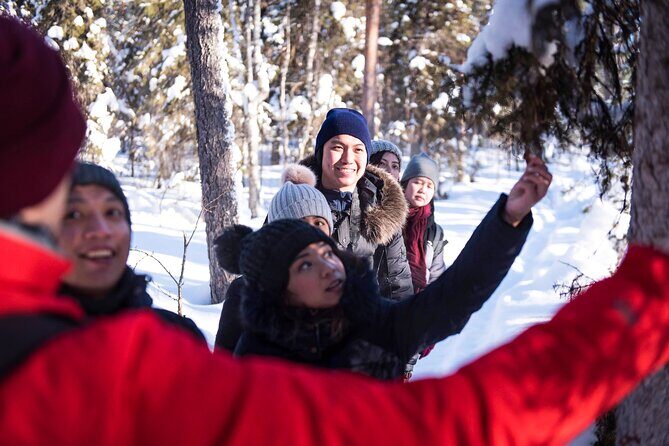
As you go, the guide looks for wildlife signs and discusses how to read them. That’s the part that makes the walk feel special: you start scanning the snow like a map. Instead of being distracted by the cold alone, you’re hunting for patterns—fresh tracks, disturbances in powder, and the small tells that animals leave behind.
Animal Tracking Tips That Don’t Disrupt Wildlife
This tour has a clear ethical angle: you go into the forest without disturbing wildlife. That shows up in how tracking is taught. You’re not encouraged to chase animals. You’re learning how to observe responsibly—what to look for in snow, and how to interpret signs from a distance.
You’ll also hear how to think about animal movement in Arctic conditions. Steps left in the snow become more than random marks; they’re evidence of where an animal traveled and what it was doing. Even if you’re not trying to identify species perfectly, you’ll leave with a better sense of how animals move in winter and why certain areas get more attention.
If you like nature photography, this section is a gift. You’ll learn what details are worth focusing on: the edge of a track, the direction of a path, and subtle patterns where animals have paused.

The Camp Break and Fire-Making From Scratch (Yes, Really)
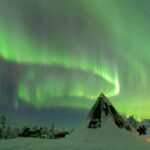
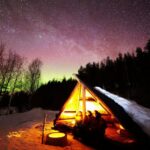
This is one of the most praised parts of the experience because it turns cold weather into a hands-on skill lesson. You’ll reach a camp spot—often described as a teepee or tipi—and then the guide demonstrates how to build a fire without relying on matches or a lighter.
The important detail is the method. You’ll see how wood is chopped and how to use natural materials found in the surrounding nature to start and maintain a fire. The tour description notes the approach can be done in conditions as cold as -30°C, which tells you they’re not treating this like a casual campfire.
What you do during the camp break matters too. You typically get a warm pause with snacks and hot drinks, including things like coffee/tea, and warm food such as sausages. This is the reset point that makes the rest of the hike feel easier afterward.
From a value perspective, this is where the tour becomes more than a walking activity. It gives you a story and a skill you can carry home.
Snack Timing, Hot Drinks, and Staying Comfortable
You’ll get snacks at the campfire, plus coffee and/or tea included. Several people describe a warm-food moment centered on sausages, with hot drinks like tea or hot chocolate alongside snacks. It’s simple, not fancy, but it’s exactly what you want in winter.
The timing is also smart: the camp break happens after you’ve already snowshoed enough to feel cold, but before fatigue takes over. That means you don’t just endure the winter; you get warmth and a taste of comfort inside it.
Practical tip for comfort: treat the hot drink as part of your rhythm. Sip, warm your hands, and take a minute before you head back onto the trail. It helps you keep your energy steady so the second half feels like hiking, not punishment.
How the Small Group Changes Everything
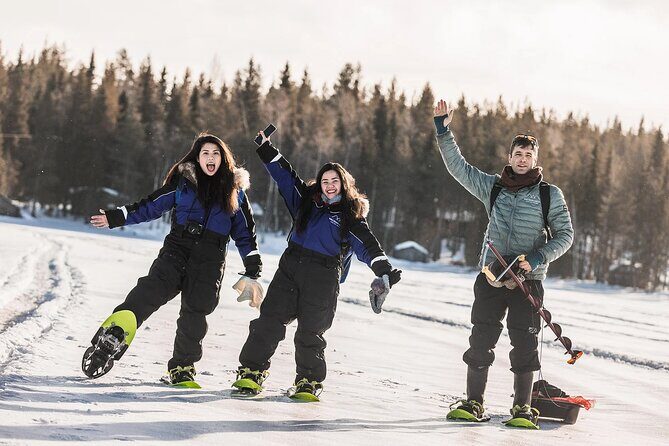
With a maximum of 8 travelers, you get a quieter experience and more personal pacing. That matters when you’re learning snowshoe technique, since everyone picks up stride and balance at different speeds.
You also get a better chance to ask questions. Guides in this style often share personal stories about Finnish nature and winter safety, and people mention that guidance feels attentive and friendly. Some guides named in past experiences include Lola, Ana/Anna, Belencita, Tyler, and Maxime—and the common thread is helping you feel safe and welcome while teaching the outdoor skills clearly.
For most first-timers, this small-group format is the difference between thinking you might do something wrong and realizing there’s no pressure. You’re learning, step by step.
Price and Value: Is $106.82 Worth It?
At $106.82 per person for about 3 hours 30 minutes, the price looks “mid” on paper. The value is in what you don’t have to manage yourself.
You’re paying for:
- Round-trip transportation from Rovaniemi into the trail area
- Snowshoes and winter clothing/thermal layers
- Guide-led learning (snowshoeing + wildlife tracking basics + fire-making technique)
- Warm camp stop with snacks and coffee/tea
- All fees and taxes
If you’ve ever tried to cobble together a snowshoe outing on your own, gear rental plus a guide plus transport can quickly stack up. Here, the tour bundles the important pieces, and the smaller group size helps the guide spend time teaching instead of herding.
It’s also booked fairly in advance (around 28 days on average), which is a hint that people plan this on purpose. In winter, that usually means it sells because it works.
Who Should Book This Snowshoe Trip (and Who Might Prefer Another Option)
This fits well if you want:
- A beginner-friendly Arctic walk where someone teaches you how to snowshoe
- A nature outing with practical skills (tracking basics and fire-making)
- A photo-friendly experience with time at a camp moment
- A relaxed winter activity that’s still active enough to feel like you did something
It may not be ideal if you’re looking for a long, strenuous trek with no stops. This is designed as a guided, learning-focused outing with a warm break. If you want all-day adventure hiking, you’ll likely feel shorted on time.
Also, if you’re very sensitive to cold, you’ll still be outside for the duration. The gear helps a lot, but you should accept that winter is the whole point of the tour.
Should You Book? My Straight Answer
I’d book this if you’re visiting Rovaniemi and you want one winter activity that combines movement, real skill, and a warm camp moment. The fire-making instruction and animal tracking teaching make it feel like you gained something, not just memories.
Book it especially if:
- You want a small group experience (easier pacing and more time with the guide)
- You’d rather not handle gear rentals and logistics
- You like the idea of learning in the snow and then warming up by a campfire
One last practical note: the experience requires good weather, and if it’s canceled due to weather you’ll be offered a different date or a full refund. So if you’re flexible with your schedule, this is an easy win.
FAQ
How long is the snowshoe trip?
It runs for about 3 hours 30 minutes (approximately).
Where do I meet for the tour?
The meeting point is Rovakatu 24, 96200 Rovaniemi, Finland. The activity ends back at the meeting point.
What’s included in the price?
The tour includes snowshoes, professional winter clothing/thermal outerwear, coffee and/or tea, and snacks at the campfire, plus round-trip transportation and all fees and taxes.
Do I need to bring my own snowshoes or winter clothing?
No. Snowshoes and professional winter clothing are provided, and you’ll be equipped for winter conditions.
Do I need matches or a lighter for the fire-making?
No. The guide will chop wood and show you how to make a fire using natural materials from the environment.
How big is the group?
The maximum group size is 8 travelers.