REVIEW · ROVANIEMI
Rovaniemi: Northern Lights Tour with Guarantee
Book on GetYourGuide →Operated by Northern lights chasing · Bookable on GetYourGuide
Aurora hunting here is a moving target. You’ll leave Rovaniemi for darker Lapland skies, then your guide adjusts the plan as weather and aurora activity shift. This isn’t a quick drive-by and a single stop.
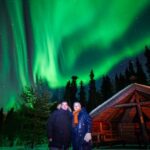
I love two things most: the flexible aurora hunting (you don’t just sit and hope), and the free professional photos taken during the tour. The best part is how the experience is built around chasing the conditions, not just a location name.
One key consideration: auroras are natural, and on nights where it’s too cloudy everywhere or solar activity is too weak, the tour can be canceled or postponed. Even when you do go, the lights can be faint, with strong colors often showing better through a camera than with the naked eye.
In This Review
- Key things to know before you book
- Chasing the lights from Rovaniemi: pickups that put you in the right lane
- How the aurora guarantee works (and what you should mentally plan for)
- Flexible departure times: the 5–8pm window and why it’s a feature
- The real hunting strategy: going far from city lights and staying until the window ends
- What happens during the Lapland portion: photo stop, guidance, and long cold patience
- Multiple spots are the difference between seeing and not seeing
- Cameras, colors, and the moon factor: what you can realistically expect
- Dress for the wait: staying warm is your job too
- Photos are part of the value: what you get and why it matters
- Minibus comfort, group vibe, and timing realities
- Price and value: why $158 can be fair for an aurora hunt
- Who should book this Northern Lights tour—and who should skip it
- Should you book this tour from Rovaniemi?
- FAQ
- What time does the tour start?
- Is it guaranteed that I will see the northern lights?
- What if the sky is cloudy or aurora activity is weak?
- What’s included in the tour price?
- What should I bring for the tour?
- Is this tour suitable for children or older adults?
Key things to know before you book
- Weather-first planning: you’re not locked into one departure time or one fixed spot.
- Departure windows shift (often 5–8pm) depending on cloud cover and aurora activity.
- Stay-out strategy: the plan is to keep hunting until the aurora is over.
- Professional photos included by your guide, so you don’t lose the moment to your camera app.
- Moon phase can change what you see; full moon can make naked-eye aurora tough (camera may still catch it).
- Comfort in a minibus: you can reach remote areas without freezing on a long walk.
Chasing the lights from Rovaniemi: pickups that put you in the right lane
You start in Rovaniemi with hotel pickup, which is exactly how you want to begin a night that’s already half weather and half timing. You’ll be asked to show up about 5 minutes early, because the guide waits no longer than 5 minutes—no show means the tour is nonrefundable.
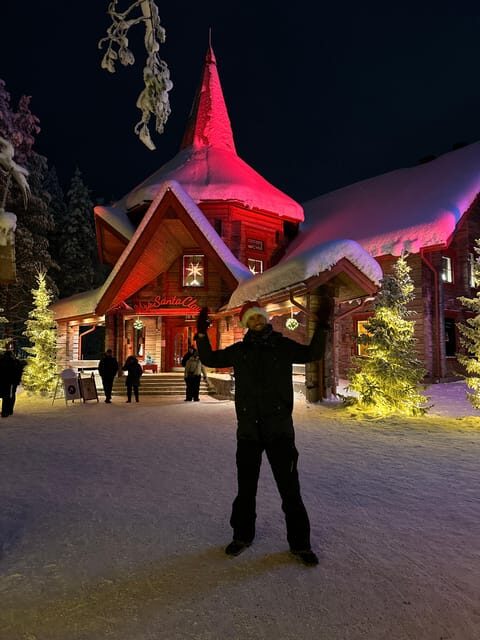
Pickup options are broad, ranging from places like Santa Claus Holiday Village to bigger hotels around the center of town. That matters because the first cold step of the evening is usually the one people underestimate. With pickup handled, you can focus on dressing right and getting ready for the long dark drive.
You can also read our reviews of more tours and experiences in Rovaniemi.
How the aurora guarantee works (and what you should mentally plan for)
This tour is marketed with a guarantee to see northern lights, and the reality is more nuanced. The information you’re given also makes it clear that northern lights are a natural phenomenon and cannot be guaranteed the same way a ticketed show can.
So here’s the practical way to think about it: the tour is designed to maximize your odds through a “hunt” approach. If the lights are weak, the experience can still count as successful. And if conditions are simply bad enough (too cloudy everywhere or aurora activity too small), the operation may cancel with a full refund or postpone if availability allows.
I like this setup because it lines up with how auroras actually work. You’re not paying to stand in one spot and hope. You’re paying for a plan that changes when the sky changes.
Flexible departure times: the 5–8pm window and why it’s a feature
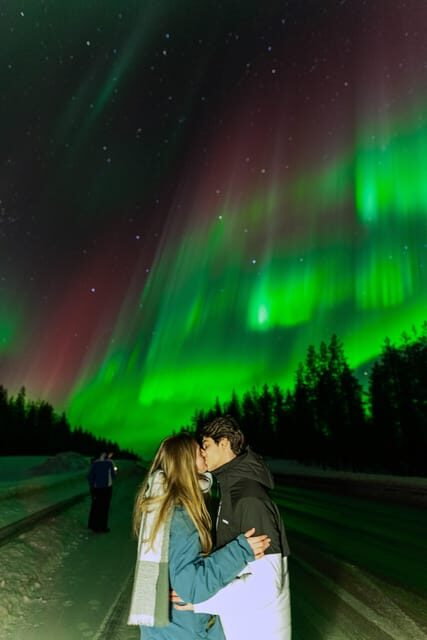
The start time is often somewhere between 5 and 8pm, and it can shift with the weather. The tour also notes that a specific starting time will be provided before 16.00, but it won’t be identical every night.
Why you should care: in the Arctic, the sky can go from clear to cloudy fast. If you’re committed to a fixed schedule, you lose the ability to react. Here, the guide builds the run around the conditions that actually exist that evening.
That flexibility also affects your expectations for the evening. You might feel like the schedule is a little fluid—and it is—but that’s the point. Your guide is trying to catch the aurora when the sky is most likely to cooperate.
The real hunting strategy: going far from city lights and staying until the window ends
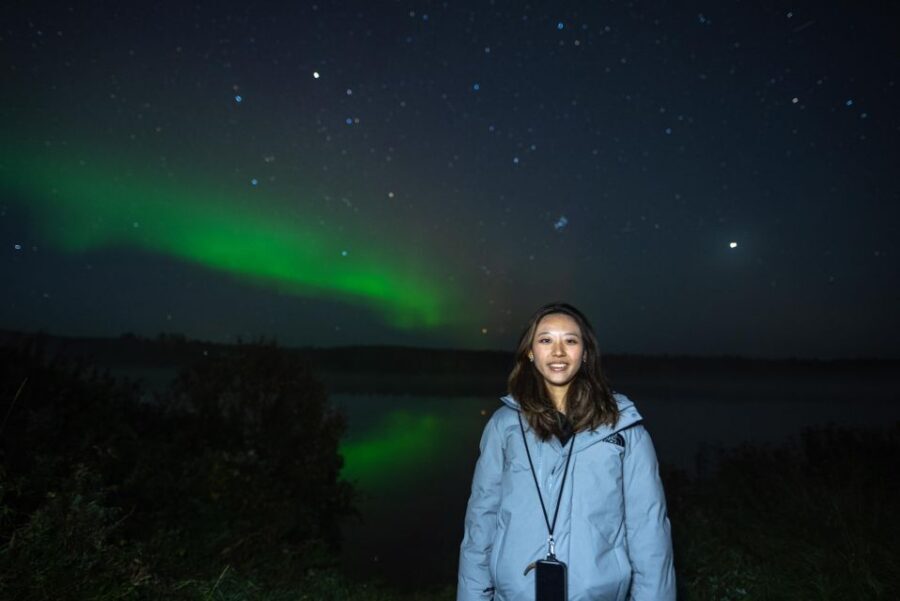
The core idea is simple: leave the city lights and find dark spots where the aurora can show. You head out of Rovaniemi toward more remote countryside, in a minibus built for getting away from town.
The plan is also described as early-spot-first. Your guide tries to arrive ahead of time so you’re in place when aurora activity ramps up. Then you don’t just leave after a quick look—there’s a “don’t depart until the aurora is over” style approach.
Some nights this means more driving and more waiting. That’s normal. If the sky at your first location stops cooperating, you may move again. The goal is always the same: put you under the best combination of darkness and aurora activity.
What happens during the Lapland portion: photo stop, guidance, and long cold patience
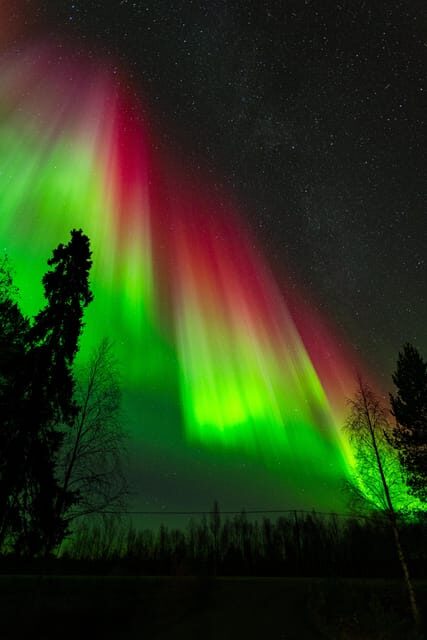
After pickup, the tour transitions into the main Lapland segment where you’ll spend time at the key viewing areas. The schedule describes this as a photo stop plus guided time, and the overall tour duration is around 6 hours (with operation that can run longer depending on conditions).
This is the part where patience matters. Aurora watching isn’t like fireworks where something happens at a set time. It can build slowly, change shapes, or sit quietly before kicking into motion.
You’ll have a guide on hand who helps you make sense of what you’re seeing and how to frame it. One thing people really appreciate is that the guide isn’t just pointing north; they’re actively reading the activity and adjusting where you are.
A practical downside: if conditions are cloudy, you might experience waiting without much action. The tour info is clear that some nights are just not ideal. When that happens, the operator may cancel or postpone rather than keep you on a no-show mission.
Multiple spots are the difference between seeing and not seeing
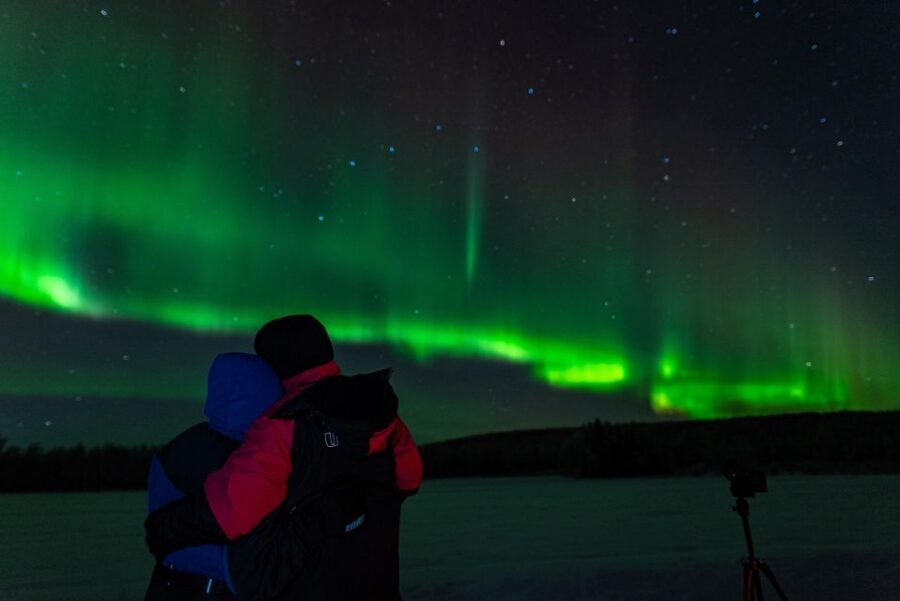
One of the most praised parts of this kind of aurora hunt is the willingness to move. Instead of being trapped at one fixed stop, the approach described here is to vary departure time and spot selection night to night.
In real life, you’ll notice why this works. Clouds can blanket one area while another stretch of sky stays clear. Fog can ruin your view at a single location. A good guide treats those issues as part of the job, not as bad luck.
You’ll also see hints of this approach in the guide style associated with the company. Names like Nikita show up repeatedly in descriptions as someone who drives significant distances for better sky conditions and keeps monitoring what the aurora is doing.
Bottom line: if you’re paying for an aurora experience, you want the hunt mindset. This tour is built around that.
Cameras, colors, and the moon factor: what you can realistically expect
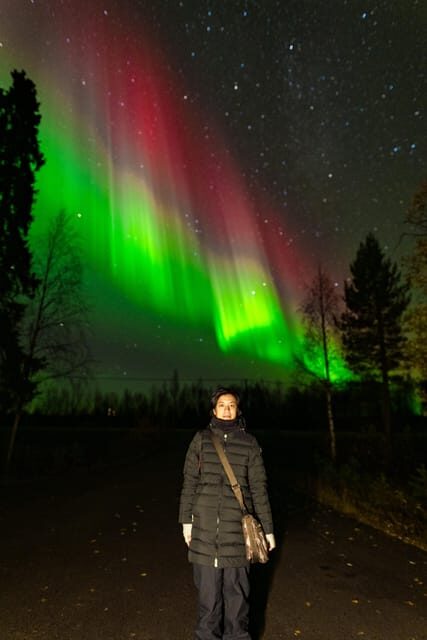
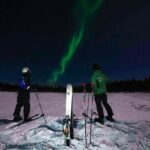
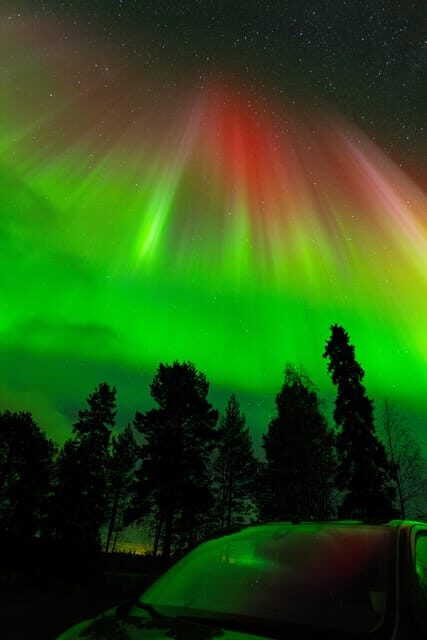
Let’s talk perception. The tour info warns that sometimes aurora activity can be rather small. Strong colors may not be obvious to the naked eye, and you might only see real punch through a camera.
That’s not a scam; it’s how auroras behave and how human vision works in the dark. It also explains why guides include professional photos from the tour. If your smartphone or camera doesn’t nail night settings, you could miss the best part.
Moon phase can also matter. The tour info specifically recommends checking a moon calendar before booking. Full moon can make lights barely visible by eye, but still visible through a camera. If you book during full moon, you’re taking on that trade-off.
Here’s my practical advice: if you want to photograph, plan for the camera to do more of the work. If you want to see with your eyes, aim for darker nights when you can.
Dress for the wait: staying warm is your job too
This is a cold-weather experience with long stretches outdoors. The tour info states it’s better suited for adults due to the duration and the cold weather, and that’s not just marketing. You’ll be outside enough that your comfort levels will determine how much you enjoy the sky.
What to bring is clearly listed: warm clothing, comfortable clothes, warm shoes, and an ID or passport. You should also be ready for the kind of cold where your hands and face matter. One lesson that comes up often in aurora outings is that extra warmth for sensitive areas can make you feel human again.
Thermal suits aren’t included automatically, but they are available on request. That’s a big deal if you don’t travel with Arctic layers already. If you rely on rental suits, ask in advance so you’re not solving the problem on arrival.
Also note the tour rules: food isn’t allowed in the vehicle, and alcohol/drugs are not allowed. That helps keep the night safe and focused, but it also means you should plan your comfort strategy around layers, not snacks.
Photos are part of the value: what you get and why it matters
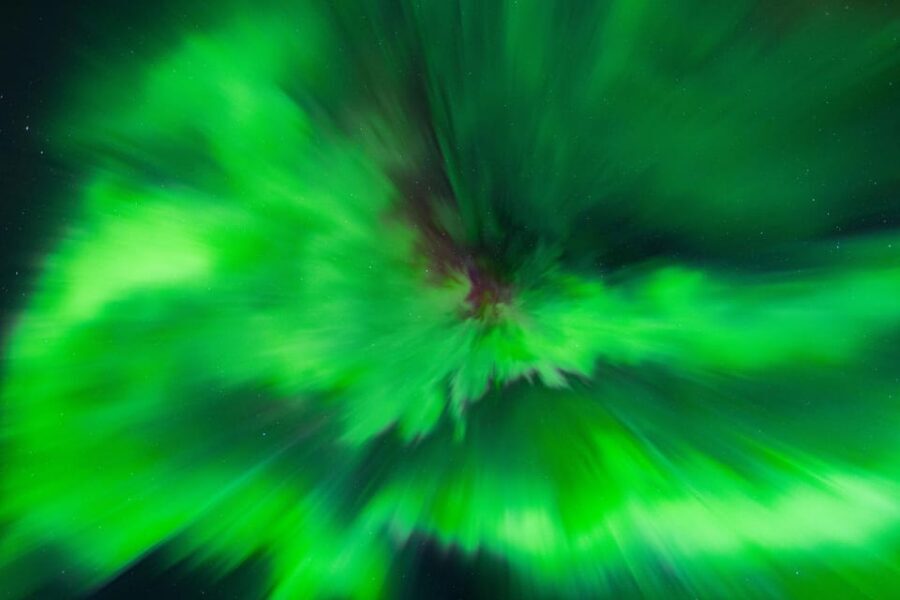
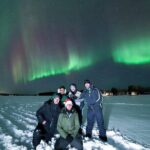
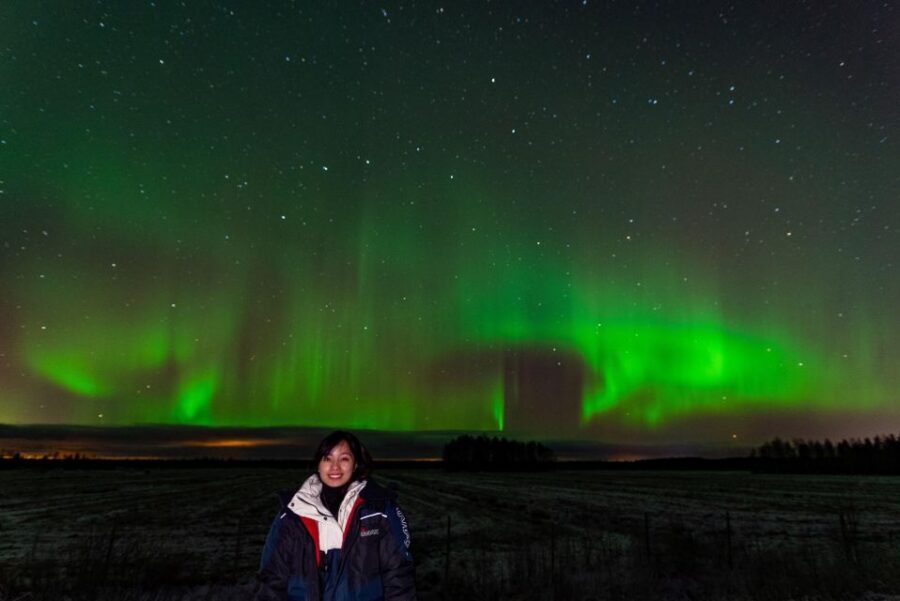
Professional photos are included, taken by your guide during the tour. This is a real value add, because the best aurora moments don’t always match when your camera app decides to cooperate.
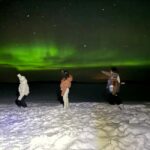
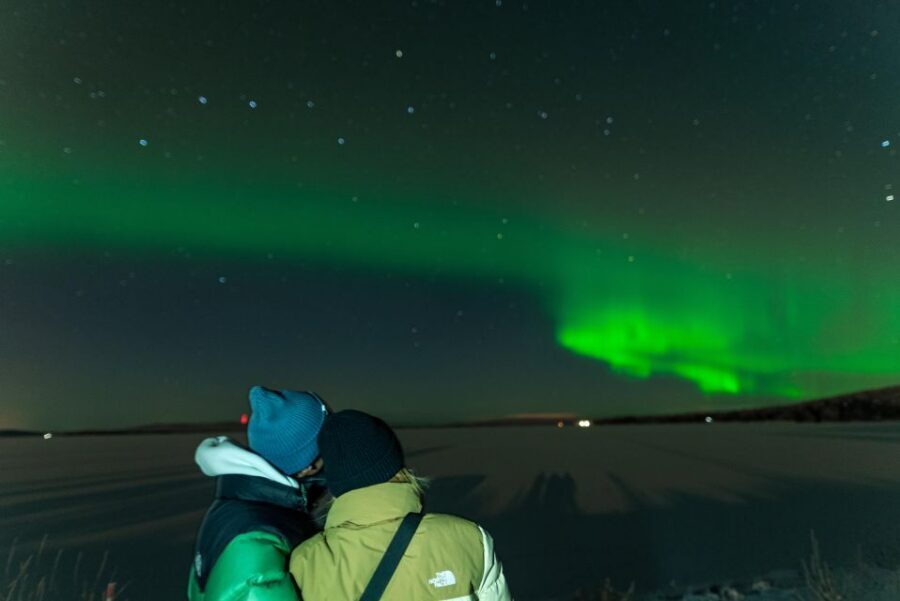
One reason people rave about this style of tour is that the guide doesn’t treat photography as an afterthought. They take care to capture you with the aurora in the background. Some guides also help with smartphone settings, including the idea that a phone with good night mode gives better results.
My take: even if you love photography, you still want someone handling the heavy lifting. You’ll enjoy the lights more when you’re not constantly trying to get the perfect exposure while your fingers are numb.
Minibus comfort, group vibe, and timing realities
You travel in a comfortable vehicle (a minibus) to reach remote areas beyond town lighting. People also mention the vehicle as being well heated, which is exactly what you want when the sky requires patience.
The group size can be small. On at least some nights, the group is described as around eight people, which tends to mean less chaos and more attention from the guide. Still, small or large, the key is that the van makes it realistic to keep moving when conditions change.
Timing-wise, departure time can shift, and you might not control exactly when the best views happen. That’s why I like tours that stay flexible. If you’re the type who gets stressed when schedules move, this tour can feel different—but it’s designed for that reality.
Price and value: why $158 can be fair for an aurora hunt
At $158 per person for a roughly 6-hour experience, the pricing is positioned in the higher range compared with basic aurora packages. The value question is: what are you actually buying?
You’re buying three things that cost money and time:
- Transport and distance to get away from city light pollution.
- Guide effort to monitor conditions and change plans.
- Included professional photos, which save you from buying equipment or losing the moment.
If you go on a cheaper, one-stop tour, you might still see aurora. But you’re betting on the sky being perfect right where you park. Here, the hunt approach is the product, and the tour info explicitly describes changing spots and times based on weather and aurora activity.
Also, the company states that even if lights are weak, the tour may still be considered successful. That suggests they’re trying to define success as seeing something real, not only a Hollywood-strength storm every time.
So I’d say the price makes sense if you want higher odds and you value the guide photos. If you’re truly flexible and just want a low-cost outdoors night, you might find alternatives. But if you care about maximizing your chances, this pricing is easier to justify.
Who should book this Northern Lights tour—and who should skip it
This is listed as not suitable for people with mobility impairments, and there are age limits. It’s not suitable for children under 14, and it’s also not suitable for people over 70.
That’s because the tour can involve long cold stretches and adult-style pacing. If you’re traveling with kids who can handle the cold and wait time, note that child safety car seats aren’t included, but families can enquire before booking.
Who this fits best:
- Adults who want a guided aurora hunt, not a one-location gamble
- Travelers who appreciate a plan that adjusts with weather
- Anyone who wants the safety of pickup/drop-off and included professional photos
If you know you get uncomfortable in cold weather, or you don’t like uncertainty in timing, this might feel like a lot. In that case, consider whether you want a more relaxed aurora viewing style.
Should you book this tour from Rovaniemi?
If your priority is seeing the aurora and you don’t want to waste one of your limited nights on a fixed stop, I’d book. The biggest selling point is the hunt approach: dark-sky positioning, flexible timing, and a guide-driven strategy that tries again when conditions change.
I’d also book if you want photos without the stress. Included professional images are a genuine comfort at the end of a cold night.
Hold off if you’re very sensitive to cold, have mobility challenges, or you need a guaranteed start time. Even with the best planning, the tour info is clear that clouds and low aurora activity can still affect results, and on those nights the tour may cancel or postpone.
If you’re an adult traveler with warm layers and a camera-ready mindset, this is one of the more sensible ways to chase northern lights from Rovaniemi.
FAQ
What time does the tour start?
Starting times can vary based on weather and aurora activity, and the tour notes that departures can be from 5–8pm. The starting time is provided before 16.00.
Is it guaranteed that I will see the northern lights?
The tour is described as having a guarantee to see northern lights, but it also notes that auroras cannot be guaranteed because they’re a natural phenomenon.
What if the sky is cloudy or aurora activity is weak?
If it’s too cloudy everywhere or solar activity is too small, the tour may be canceled with a full refund or postponed if availability allows.
What’s included in the tour price?
Hotel pickup and drop-off, an English live guide, and professional photos taken during the tour are included.
What should I bring for the tour?
Bring warm clothing, comfortable clothes, warm shoes, and an ID or passport.
Is this tour suitable for children or older adults?
It is not suitable for children under 14. It is also not suitable for people over 70, and it’s not suitable for people with mobility impairments.