REVIEW · ROVANIEMI
Rovaniemi: Ice Floating Experience
Book on GetYourGuide →Operated by Wonderlapland · Bookable on GetYourGuide
Frozen silence, then hot cookies. This Rovaniemi ice floating experience is about serenity—you drift on a frozen lake while the Arctic sky does its thing. What makes it special is the mix of stillness, the surreal feeling of being buoyant on ice, and the fact you get proper warmth and a guide for the whole session.
Two things I like a lot: the thermal survival gear that helps you float safely and comfortably, and the simple, satisfying payoff afterward—a hot drink and fresh cookies. One thing to consider: the changing setup can be cold in deep winter, and at very low temperatures (one review mentioned -24°C) you may wish you had a warmer place to switch clothes.
You’ll also want to be the right kind of comfortable with cold and water. This is weather-dependent, so conditions matter, and the experience is not a fit for everyone health-wise.
In This Review
- Key points to know before you go
- Why ice floating in Rovaniemi feels so calm
- Getting to the lake: what happens during the 3 hours
- Thermal survival gear: warm, buoyant, and not optional
- The lake time: what you’ll notice from the water
- Guide and group size: what you get with a max of 9
- Cold-room reality: the main drawback to plan around
- Price and value: is $141 worth it?
- Who should book this ice floating session
- Should you book Rovaniemi ice floating?
- FAQ
- How long is the ice floating experience?
- Where does it take place?
- What is included in the price?
- Is transportation to the location included?
- Do I need to know how to swim?
- What should I bring?
- What languages are the guides available in?
- Is alcohol allowed?
- What if the weather is bad?
- Is there a free cancellation option?
Key points to know before you go
- Real quiet time on the ice in Lapland’s winter wilderness, not a rushed photo stop
- Thermal survival gear designed to keep you warm and buoyant on the frozen lake
- Small group size (max 9) plus a live guide in English, Spanish, or French
- Hot drink and cookies afterward so you’re not just freezing and then leaving
- Weather rules apply; expect rescheduling or cancellation if conditions aren’t suitable
Why ice floating in Rovaniemi feels so calm
There’s something about Rovaniemi in winter that slows you down. Even before you get to the lake, you can feel it in the air: crisp cold, wide sky, and that wide-open Lapland feeling where your thoughts get quieter. Ice floating leans hard into that mood. Instead of “doing” a lot, you’re mostly resting—drifting and watching the Arctic sky overhead.
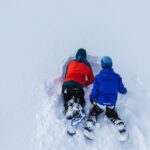
I especially like how this experience is built around stillness. Floating on frozen water is surreal, but it’s not chaotic or scary when you’re kitted out properly and given instructions. You get a different kind of viewpoint too: the world looks both closer and farther when you’re lying there on the ice, and you notice details you’d miss standing on snow.
The other part I appreciate is how warm the wrap-up is. After time on the water, you warm up with a hot drink and fresh cookies. That small comfort matters in Lapland, where you can feel cold “moving in” if you don’t change and recover quickly.
You can also read our reviews of more tours and experiences in Rovaniemi.
Getting to the lake: what happens during the 3 hours
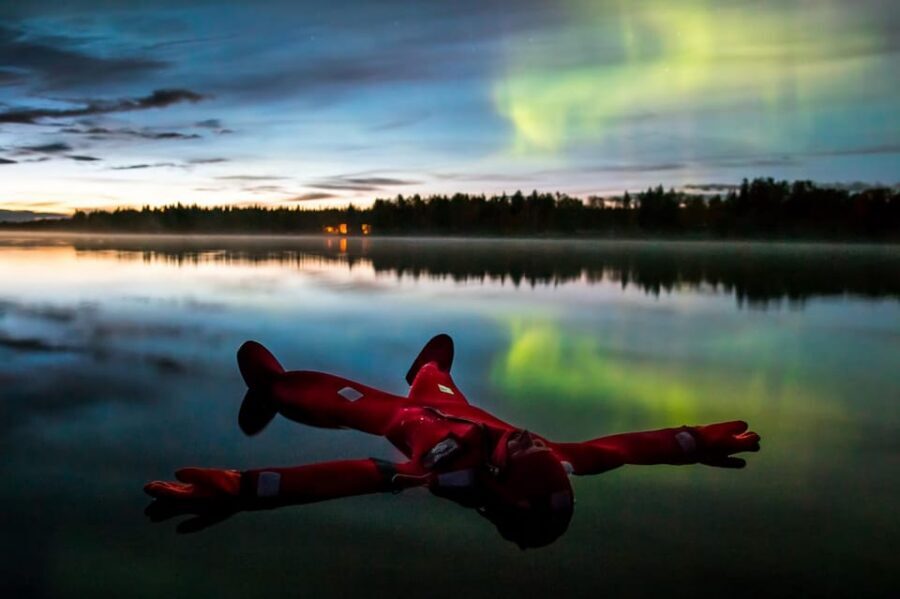
The full experience runs about 3 hours. That timing matters because it’s long enough for real time on the ice, but short enough that you’re not stuck waiting around in freezing conditions for ages.
Here’s how the flow typically works:
- You’re picked up and then brought to the activity area.
- You get a safety briefing and instructions before you’re anywhere near the water.
- You dress in the provided thermal survival gear.
- You spend your float time on a frozen lake on private land in Lapland.
- Afterward, you change out and warm up with a hot drink and fresh cookies.
The “before you float” part is where the guide earns their keep. You’re not left guessing. You’ll get a briefing, and you’ll be told what to do to stay comfortable and safe while you’re buoyant on the ice.
Also, take the changing part seriously. One review noted the changing room wasn’t heated and felt very cold during winter temperatures that can hit -24°C. Even if that’s not your exact situation, the practical takeaway is the same: plan to move efficiently and keep your warm layer ready, so you’re not lingering in a cold pocket after the activity.
Thermal survival gear: warm, buoyant, and not optional
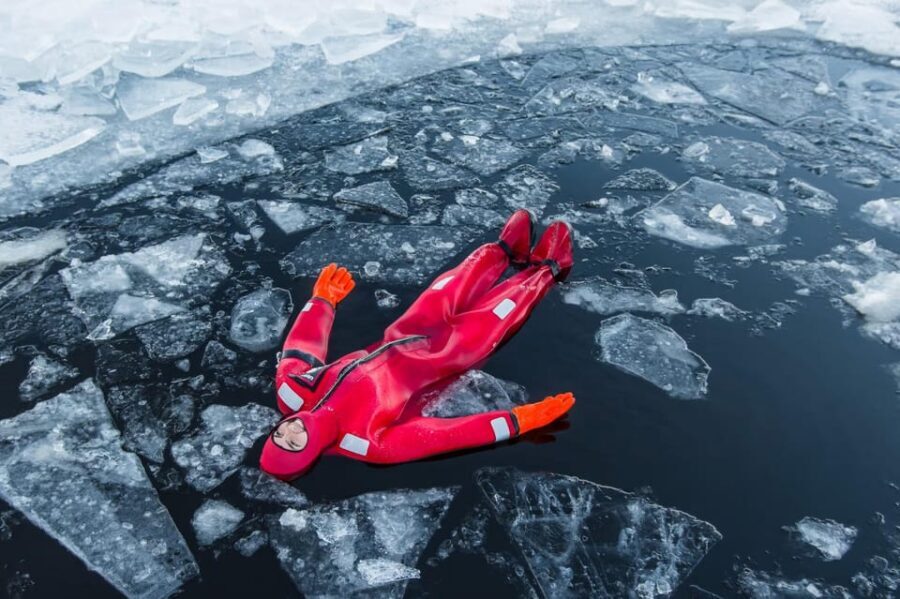
The thermal survival gear is the backbone of this experience. It’s what turns ice floating from something you might imagine into something you can actually enjoy for a few hours.
Here’s what you can count on:
- You’ll be provided the gear you need.
- The setup is designed to keep you warm and buoyant while floating.
- You’ll still want to wear warm clothing underneath, because your personal layers help you stay comfortable if the cold is intense.
What’s worth knowing: buoyancy isn’t just a fun novelty here. It’s part of the safety concept. When you’re properly outfitted and following instructions, the ice floating feels steady rather than “will I stay up?” stressful. That’s the difference between tolerating it and actually relaxing.
My advice: treat your clothing choices as part of the cost. If you show up in thin winter wear, the provided gear can’t magically fix that. Go layered, keep your core warm, and wear what you’d wear for a long, windy walk in Lapland—because once you’re on the ice, there’s no moving around much to generate heat.
The lake time: what you’ll notice from the water
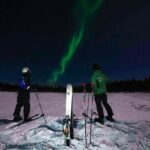
The best part is the actual floating. You’ll drift on a frozen lake surrounded by untouched, snow-covered wilderness in Lapland, and the quiet is the point. The Arctic sky feels huge out there—wide and open—and it makes the whole experience feel slower and more real.
From the water, you’ll likely notice:
- The calm, steady sensation of floating instead of walking on ice
- The way silence changes your attention (you tend to watch, not “do”)
- How the Arctic scenery looks different when you’re low to the ground, with the sky taking up more of your view
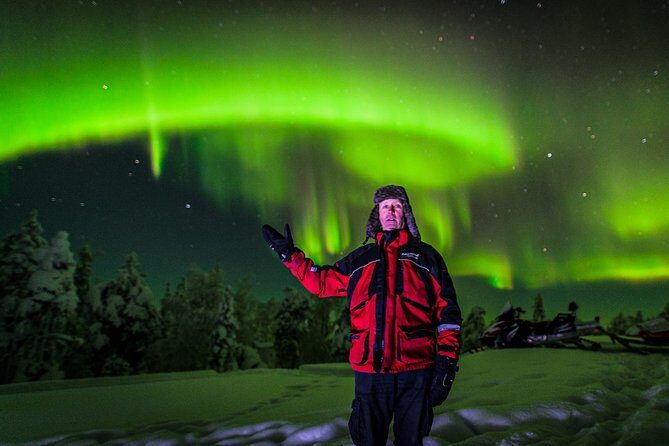
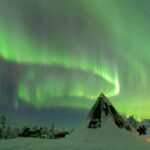
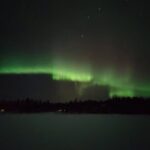
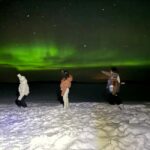
Timing can also play a role. The description suggests you may experience it under sunlight or even during the shimmer of the Northern Lights, depending on conditions. If you’re there at the right time and the sky cooperates, that possibility turns into a major “wow” factor. But regardless of sky color, the main value is the quiet.
A quick reality check: this is weather-dependent. If conditions aren’t suitable, the experience may be rescheduled or canceled. In other words, don’t build rigid connections right after your tour time.
Guide and group size: what you get with a max of 9
This is a small-group experience, limited to 9 participants. I like small groups for winter activities because there’s less chaos when everyone’s cold and busy changing or getting ready. It also tends to mean the guide can actually manage the group and keep safety instructions clear.
You’ll have a live tour guide. Languages offered are English, Spanish, and French. That’s genuinely helpful in Finland-based tours, because it lets more people understand the safety briefing and instructions without guessing.
One more detail that matters: the guide approach. One review praised a guide as lovely and professional. That’s exactly what you want in an environment where you’re likely a little nervous at first. Professional guidance is what lets you relax once you’re suited up and on the lake.


Cold-room reality: the main drawback to plan around
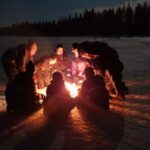
Let’s talk about the part most people worry about: how you handle temperature before and after the float. One review mentioned the changing room was very cold and not heated. They specifically called out winter conditions around -24°C and suggested a warm place would make it nicer before and after.
I’d take that as a heads-up, not as a dealbreaker. Still, you can protect your comfort:
- Bring warm clothing so you’re not relying only on the thermal suit
- Move quickly during changing windows
- Keep your warm items accessible, not buried
- Wear something you can put on fast to reduce time sitting in cold air
And remember: you’re required to be comfortable in the water and know how to swim. If you’re not confident in that, cold discomfort will stack on top of normal nerves, and the experience won’t feel as serene as it’s supposed to.
Price and value: is $141 worth it?
At $141 per person for a 3-hour experience, the question isn’t just “Is it expensive?” It’s “What are you buying with that money?”
Here’s what’s included:
- Pick up and drop off
- Thermal survival gear
- Hot drink and fresh cookies afterward
What’s not included:
- Transportation to and from the activity location (so you still need to handle getting yourself to the pickup area)
- Meals
So you’re paying for three concrete things: your access to a private-land frozen-lake setting, the safety and instructions from a live guide, and the gear setup that makes ice floating possible and enjoyable. If you try to recreate this on your own, you’d quickly run into safety, equipment, and permissions. The cost is basically paying for an organized, guided, properly kitted experience where the cold is managed as part of the activity.
Is it “cheap”? No. But it’s also not just a short photo session. You get real time on the water plus a warm reset afterward, and the small group helps keep it comfortable.
Who should book this ice floating session
This experience is best for people who want quiet, nature-focused time more than a checklist of activities. It suits you if you:
- Like calm, scenic experiences and don’t mind cold
- Are comfortable in water and know how to swim
- Want a unique Arctic activity that’s genuinely different from standard snowshoeing or reindeer rides
It’s not suitable for:
- Pregnant women
- People with back problems
- People with heart problems
If any of those apply, you’ll want to choose a different Lapland winter activity that’s safer for your situation.
Also, keep in mind the practical need for warm clothing. Even with thermal gear, you should dress for sub-zero conditions. This isn’t a light jacket outing.
Should you book Rovaniemi ice floating?
I think you should book this if you’re chasing a winter memory that’s quiet, weird-in-a-good-way, and genuinely memorable—floating on ice while the Arctic sky stays overhead. The combination of provided gear, guided safety instructions, small group size, and the warm drink and cookies afterward makes it feel like an experience that’s been thought through, not just “try it and leave.”
Skip it or reconsider if you:
- Don’t feel comfortable with cold and water
- Have any of the listed health concerns
- Know you’ll struggle with cold changing areas and long waits in winter air
If you’re a fit for it, this is one of those Lapland activities that doesn’t just look good on paper. It gives you a different way to feel the Arctic—calm, still, and very “only here” for a few hours.
FAQ
How long is the ice floating experience?
It lasts 3 hours.
Where does it take place?
It takes place in Lapland, Finland, around Rovaniemi, on private land with a frozen lake setting.
What is included in the price?
Included are pick up and drop off, thermal survival gear, and a hot drink and fresh cookies after the activity.
Is transportation to the location included?
Pickup and drop-off are included, but transportation to and from the activity location is not included.
Do I need to know how to swim?
Yes. You should be comfortable in the water and know how to swim.
What should I bring?
You should bring warm clothing.
What languages are the guides available in?
The live tour guide is available in English, Spanish, and French.
Is alcohol allowed?
No. Alcohol is not allowed, and drugs are also not allowed.
What if the weather is bad?
The experience is weather-dependent. If conditions are unsuitable, it may be rescheduled or canceled.
Is there a free cancellation option?
Yes. You can cancel up to 24 hours in advance for a full refund.