REVIEW · ROVANIEMI
Rovaniemi: Aurora Hunting Tour in the Forest with Hot Drinks
Book on GetYourGuide →Operated by Arctic Lifestyle · Bookable on GetYourGuide
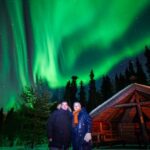
The Northern Lights have a way of making time feel bigger. In Rovaniemi, this Aurora hunting tour mixes a guided chase with cozy forest stops and warm winter gear.
I especially like the included thermal overalls, boots, socks, and gloves—it lowers the stress of packing and helps you stay outside long enough to matter.
One consideration: Aurora visibility depends on conditions, so you should plan for a night that might stay cloudy and for a long “wait and watch” feeling even with a guided search.
In This Review
- Key things to know before you go
- Rovaniemi at night: why a guided forest hunt makes sense
- Pickup options and the Arctic-ready comfort checklist
- The 3-hour flow: what happens between leaving town and the final look
- Finding the aurora: how your guide improves your odds
- The forest fire break: hot drinks and a sweet snack
- Northern Lights lessons: the science you’ll actually use
- Gear, clothing, and camera tips that keep the night easy
- Price and value: what you’re really paying for at $123
- Who this tour suits best (and who should choose something else)
- Tips to get more from the night (even when clouds happen)
- Should you book this Aurora hunting tour in Rovaniemi?
- FAQ
- How long is the Aurora hunting tour?
- What time is best for viewing on this tour?
- Where does the tour start?
- Is the guide available in English?
- What winter gear is provided?
- Is there food or drinks during the tour?
- Do you stop at one location or multiple locations?
- What should I bring?
- What is the cancellation policy?
Key things to know before you go
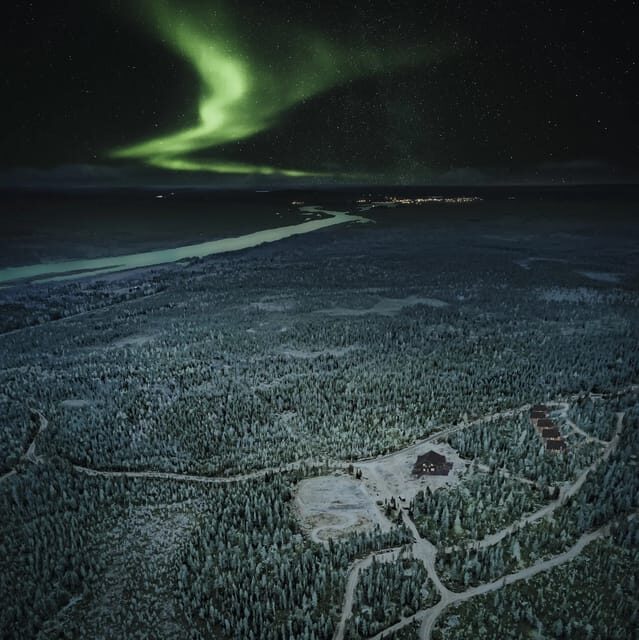
- Thermal gear is included: overalls, boots, wool socks, and gloves help you stay comfortable outdoors.
- Hot drinks by an open fire: you get warmth and a sweet snack during the stop in the forest.
- The guide explains the aurora: you’ll learn why it appears in the north and what to watch for.
- You’ll search multiple spots: the route changes based on cloud cover and sky clarity.
- Prime viewing window is 9 PM to midnight: that’s the target time for the hunt.
- English live guide: clear instruction and friendly Q&A, especially during the science talk.
Rovaniemi at night: why a guided forest hunt makes sense
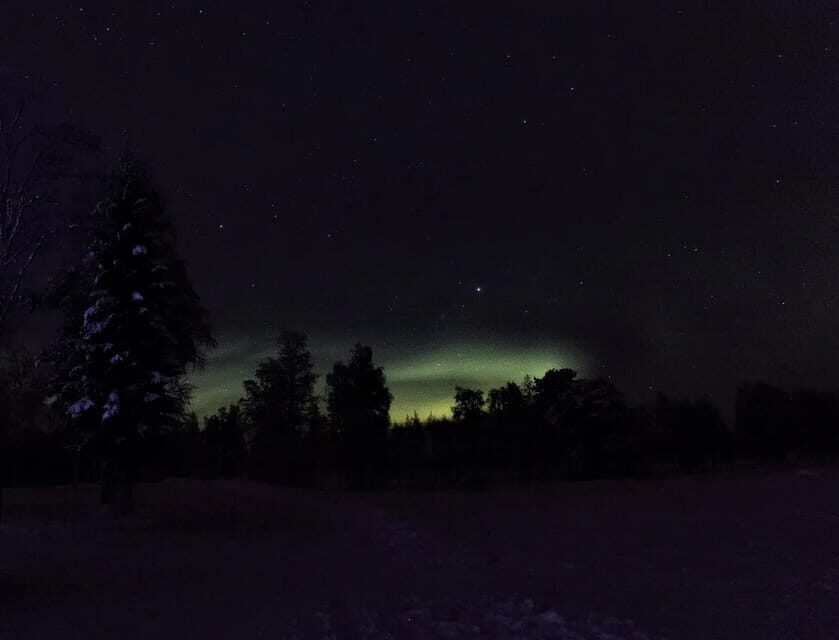
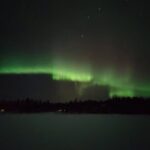
Rovaniemi is one of the easiest places in Lapland to try for the Aurora Borealis, mostly because it’s set up for winter tourism and because nights get properly dark. But even in a great aurora area, you’re dealing with weather, clouds, and the simple fact that the lights are not guaranteed.
This kind of tour is built for reality. Instead of just handing you a bus ticket and a hope, you’re getting a guide who helps you read the conditions and decide where to go next. That matters because the difference between clouds and clear sky can feel huge once you’re standing outside, camera ready, with cold starting to creep in.
I also like the pacing: 3 hours is long enough for a real hunt, short enough that you’re not exhausted before the best viewing window passes. You’re not just moving around. You’re getting a structured night that blends walking, watching, and warming up.
You can also read our reviews of more tours and experiences in Rovaniemi.
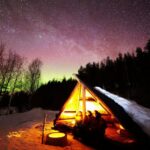
Pickup options and the Arctic-ready comfort checklist
You have two main ways to start: pickup from the Rovaniemi area if you select that option (including Ounasvaara or Santa Claus Village), or a city-center meeting point at the Arctic Lifestyle office on Pirkkakatu 2.
Either way, the big win is that this tour provides the winter shell you need:
- Thermal overalls
- Winter boots
- Woolen socks
- Gloves
That gear is not just a convenience. It’s also a safety and comfort move. Aurora hunts can involve standing still for stretches, and cold hands and feet ruin your concentration fast—especially when you’re trying to spot faint green curtains across the sky. With the included kit, you can focus on the night instead of improvising layers at the last second.
Still, don’t assume gear means you’re invincible. You’ll want warm clothing underneath and comfortable shoes for anything additional the guide asks you to do. If you tend to get cold easily, pack your patience and your warm base layers.
The 3-hour flow: what happens between leaving town and the final look
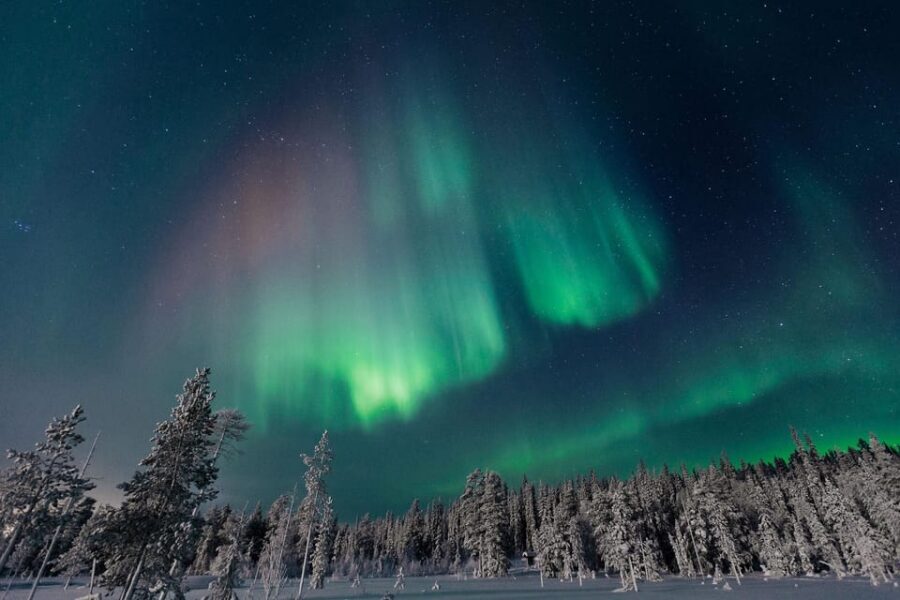
The tour is designed around the typical aurora viewing window, said to be most likely between 9 PM and midnight. That timing matters because you’re aiming for deep-night darkness, which helps your eyes catch faint movement and color in the sky.
From there, the night usually follows a pattern:
- Travel to a prime viewing area
- Search for the best possible sighting
- Pause in the forest for warmth and a small break
- Return transport after the tour
A key detail: the guide searches several locations. If the sky is clear, you’ll often move toward an open landscape to improve visibility. If it’s not, you adjust. That’s the practical part of an aurora hunt—your best shot comes from flexibility, not stubbornness.
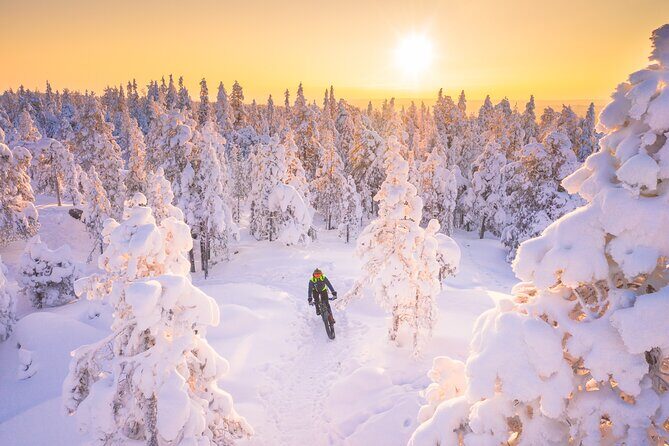
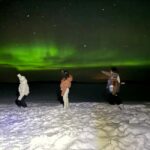
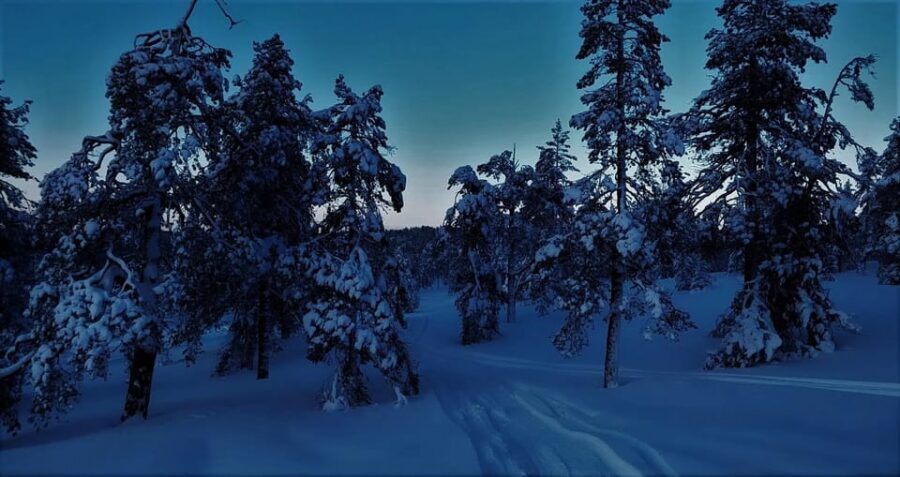
On at least some departures, the start includes a dark walk on winter terrain such as a frozen river. That’s not guaranteed in every situation, but it’s a good reminder of what you’re signing up for: a night outing in winter conditions, not a quick photo stop from the curb.
Also, you’ll be outdoors enough that camera handling becomes part of the experience. You’re not just watching with your eyes—you’re likely pointing a lens upward too.
Finding the aurora: how your guide improves your odds
Aurora chasing sounds like luck, and sometimes it is. But it’s also a real observing exercise. During the tour, your guide helps you look in the right direction and at the right time, then shifts plan when conditions change.
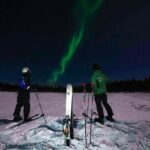
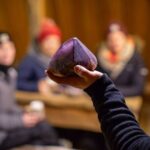
You’ll learn the science behind what you’re seeing—why auroras happen in the north and why they appear where they do. That knowledge changes how you watch. Instead of randomly scanning the sky, you’ll have mental anchors for what to look for: movement patterns, changes in brightness, and how the aurora can show up even when it’s not instantly dramatic.
Your guide also steers the hunt toward the best viewing situation. If the day is clear, you’re more likely to go for a more open view rather than staying boxed in by trees. If it’s not clear, the tour still keeps you active—searching multiple spots rather than waiting in one stubborn location.
One more practical note: stay aware of your own comfort as the minutes pass. The aurora may take time to show, and you’ll get the best results when you’re steady, warm, and able to keep scanning without rushing back to the car.
The forest fire break: hot drinks and a sweet snack
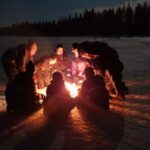
This is the part I’d be most excited about if the sky cooperates or not. You get hot beverages and a sweet snack around an open fire in the forest. That break does two jobs at once:
- It keeps you warm enough to keep looking
- It turns the night into an experience, not a chore
In winter Lapland, warmth isn’t just comfort. It’s also attention. When your body is steady and your hands aren’t numb, you’re more likely to notice subtle changes in the sky. A good break helps the whole hunt feel more relaxed.
Many aurora tours stop at roadside viewing, then send you home. Here, the fire-and-drink stop feels like a real nighttime ritual. It also adds a sense of place—you’re not just chasing a light show. You’re spending time in a nocturnal Arctic forest with a guide who explains what you’re seeing.
Northern Lights lessons: the science you’ll actually use
One of the best parts of this tour is that it’s not only about the lights; it’s also about understanding them.
You’ll learn:
- why the Northern Lights are visible only in the north
- what you’re seeing in the sky and why it looks the way it does
- how the hunt ties to timing and visibility
If you like travel that turns a pretty view into something you can explain to friends, this is a win. It also makes your watching more satisfying. When you understand the basic why, you pay closer attention to what changes.
English is the guide’s working language, so you’ll be able to ask questions in a way that makes the science stick. If your guide is someone like Niko or John, you can expect a friendly, hands-on approach with a clear focus on the aurora and the night’s observations. (John, specifically, has been praised for bringing extra detail to the explanation.)
Gear, clothing, and camera tips that keep the night easy
Since thermal overalls, boots, woolen socks, and gloves are included, your job is mostly about what you wear underneath and how you move.
Here’s what you should plan around:
- Warm clothing underneath the overalls (think layers, not one heavy item)
- Comfortable shoes for anything beyond the included boot setup
- A camera if you want to capture the lights
- The rest of your focus on staying dry and comfortable
If you’re bringing a camera, remember that cold affects batteries. Keep spare batteries warm if you can, and avoid constantly touching equipment with bare fingers. Your included gloves help, but you might still want to handle controls carefully so you don’t drop anything in the snow.
Also, consider how long you’ll stand still. Even with gear, standing and staring can get tiring. Bring your attention back to the basics: watch, note changes, then use the fire break to reset.
Price and value: what you’re really paying for at $123
At about $123 per person for a 3-hour guided outing, this isn’t a budget activity. So the question isn’t just whether it’s expensive. It’s what you get for that money.
You’re paying for:
- A guided aurora search that actively moves you toward better viewing conditions
- Winter gear provided, which saves you from buying or renting a full kit just to try once
- Hot beverages and a sweet snack, which keeps the experience comfortable enough to last
- A guide who explains the science behind the Northern Lights in English
If you already have proper winter clothing, you may feel like you’re paying mostly for guidance and warmth. If you don’t, the included thermal gear changes the math quickly, because you’re not gambling on whether you packed enough for the cold.
For me, the value is strongest if you’re short on time and want a structured attempt during prime viewing hours. You’re not just trying to catch a glimpse on your own. You’re buying time, planning, and comfort.
Who this tour suits best (and who should choose something else)
This is a strong fit if you want:
- A guided Aurora Borealis experience in and around Rovaniemi
- Winter gear handled for you
- A warm break with hot drinks and a sweet snack
- A simple English explanation of what you’re seeing
It’s also a good choice if you’d rather not drive yourself in the dark and cold while trying to pick the best spot.
I’d think twice if you’re not comfortable being outdoors for stretches in cold weather, even with gear provided. The tour is designed to keep you warm, but it’s still an Arctic night. It’s also not described as a private tour, so expect a group setting rather than one-on-one sky time.
Tips to get more from the night (even when clouds happen)
Even with the best guidance, auroras can be shy. If clouds roll in, you can still get value from the experience: the science chat, the forest fire break, and the fact that you’re searching multiple locations rather than waiting in one place.
A few practical habits help:
- Bring a camera if you’ve used one in low light before; if you haven’t, keep expectations realistic and enjoy the view too
- Dress for warmth even though thermal gear is included
- Stay patient during the prime window, especially from 9 PM onward
- Keep your attention steady; auroras often show in shifts rather than a constant show
If the sky cooperates, you’ll be in the right place and ready. If it doesn’t, you’ll still have a guided, genuinely Arctic night rather than a rushed disappointment.
Should you book this Aurora hunting tour in Rovaniemi?
Book it if you want a guided, forest-based Aurora attempt with included thermal gear, a cozy open-fire break, and an explanation of what’s happening in the sky. The 3-hour duration is a sweet spot: enough time to search and warm up, not so long that you feel wrung out before the key hours.
Skip it only if you’re very sensitive to cold or you’re seeking a guaranteed light show. This tour improves your odds with guidance and smart spot searching, but it can’t control the weather.
If your goal is an authentic Lapland night with warmth, learning, and a real attempt at the Northern Lights, this one is worth putting on your plan.
FAQ
How long is the Aurora hunting tour?
The tour lasts about 3 hours.
What time is best for viewing on this tour?
The tour focuses on a prime viewing window said to be most likely between 9 PM and midnight.
Where does the tour start?
You can meet at the Arctic Lifestyle office at Pirkkakatu 2 in the city center, or choose pickup from the Rovaniemi area if that option is selected.
Is the guide available in English?
Yes. The tour includes a live English-speaking guide.
What winter gear is provided?
Thermal overalls, boots, woolen socks, and gloves are provided to keep you warm.
Is there food or drinks during the tour?
Yes. You get hot beverages and a small sweet snack around an open fire.
Do you stop at one location or multiple locations?
You’ll search several locations for the best possible sighting, and you may move to more open areas if the sky is clear.
What should I bring?
Bring comfortable shoes, warm clothing, and a camera.
What is the cancellation policy?
You can cancel up to 24 hours in advance for a full refund.