REVIEW · ROVANIEMI
From Rovaniemi: Ice Floating under Aurora Borealis
Book on GetYourGuide →Operated by Safartica · Bookable on GetYourGuide
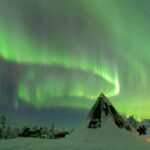
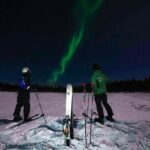
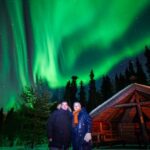
Ice under the auroras sounds odd, then it clicks. This guided ice floating experience from Rovaniemi lets you relax on top of a frozen lake while the Northern Lights (weather permitting) do their thing overhead. It’s designed to feel more like calm Arctic stargazing than an extreme activity.
What I like most is the safety-and-comfort setup: you get a high-quality rescue suit that covers your whole body and keeps you dry, plus you wear your own clothes underneath so you’re not shivering in roughly 0°C water. Another big win is the way the guides help with the whole experience, including photo help and timing so you can actually see what’s happening in the sky.
The main drawback to keep in mind is simple: this is aurora-and-stars dependent. If the weather turns cloudy, you’ll still do the floating and warming tent part, but you shouldn’t plan this as a guaranteed Northern Lights show.
In This Review
- Key moments that matter
- How ice floating stays safe (and weirdly relaxing)
- Your 3-hour flow: from Rovaniemi pickup to the lake (no guesswork)
- Northern Lights reality check: weather, timing, and guide help
- What the guides actually do for you (not just stand there)
- The scenery part: Arctic calm around Rovaniemi
- Who this tour is best for (and who should skip)
- Price and value: is $155 actually reasonable?
- What to bring (and what to think about in the dark)
- Should you book ice floating with Safartica from Rovaniemi?
- FAQ
- Is ice floating dangerous if I’m not a strong swimmer?
- Will I get cold in the 0°C water?
- Are Northern Lights guaranteed during the tour?
- What’s the minimum height requirement?
- Where do I meet for pickup?
- What do I need to bring?
Key moments that matter
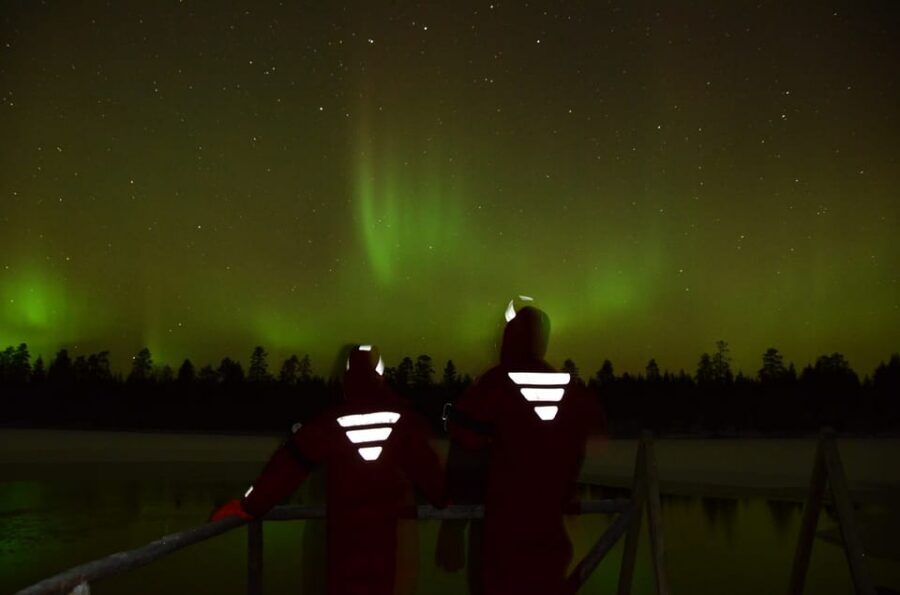
- Full-body rescue suit keeps you dry and warm while you float on the surface
- Northern Lights time in the water if the sky is clear
- Tented warm-up with hot drinks, cookies/juice, and marshmallows between turns
- Photo coaching while you’re in the water so you get usable shots
- Group rotation: one side floats while the other side warms up
- English guide-led instructions before you ever step into the lake
How ice floating stays safe (and weirdly relaxing)
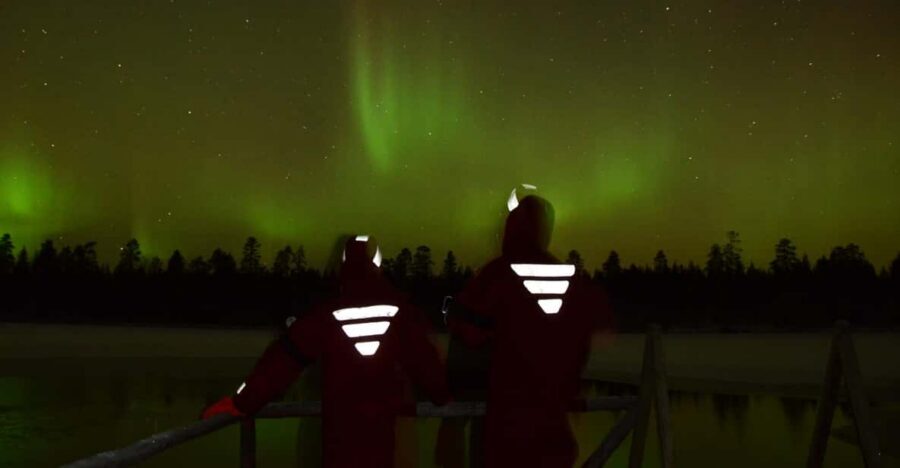
This isn’t “swim in ice water” style. It’s a guided float, and the whole design is about removing the scary parts so you can focus on the sky and the quiet.
Before you get anywhere near the lake, you’ll get clear instructions on what to do once you’re on the ice and once you’re in the water. The key detail is that no swimming skills are required, because the rescue suit keeps you on the surface. That changes the mental game. Instead of worrying about technique, you can just lie back and follow the guide’s cues.
The suit matters more than you might think. It covers your whole body and keeps you dry, and since you wear your own clothing underneath, cold isn’t the limiting factor the way it is for typical winter dips. The activity is truly arctic—open water in the neighborhood of 0°C is part of the equation—but the gear is built to make that survivable and comfortable for the time you’re out there.
You’re also not left to guess what will feel best. In the past groups have rotated so that the “resting” side gets warmed with hot drinks and snacks while the other side is floating. That structure reduces stress and helps you settle into the experience instead of rushing from cold to cold.
You can also read our reviews of more tours and experiences in Rovaniemi.
Your 3-hour flow: from Rovaniemi pickup to the lake (no guesswork)
The whole thing is built to run on a tight schedule. Plan to be early, because the meeting point is specific and the timing is firm.
You’ll start at the Safartica office at Koskikatu 9, about 25 minutes before departure. That buffer matters in Lapland winter. Getting dressed, meeting your group, and doing the pre-activity checks takes real time when it’s dark and cold out.
Once you’re with the group, the sequence usually goes like this:
1) Gear and clothing check-up
You’ll be provided winter clothing as part of the activity. You still need to bring your own passport or ID card for the tour, since you’ll need it for identification.
2) Briefing and suit briefing
You’ll be told exactly what to do before stepping in. This is the moment where you learn how to handle your body in the suit and how floating works in practice. The goal is to make you confident before you’re anywhere near the water.
3) Transfer to the lake area
Transfers are included, and this part has strong feedback with 92% giving transport a perfect score. In practical terms, that means the logistics are not the headache in your evening—you can focus on the experience.
4) Ice floating turn
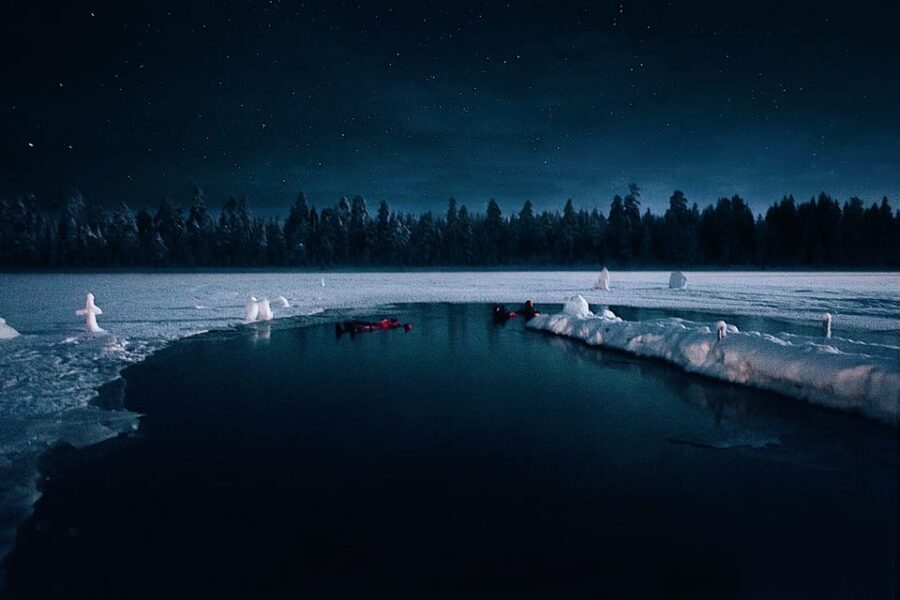
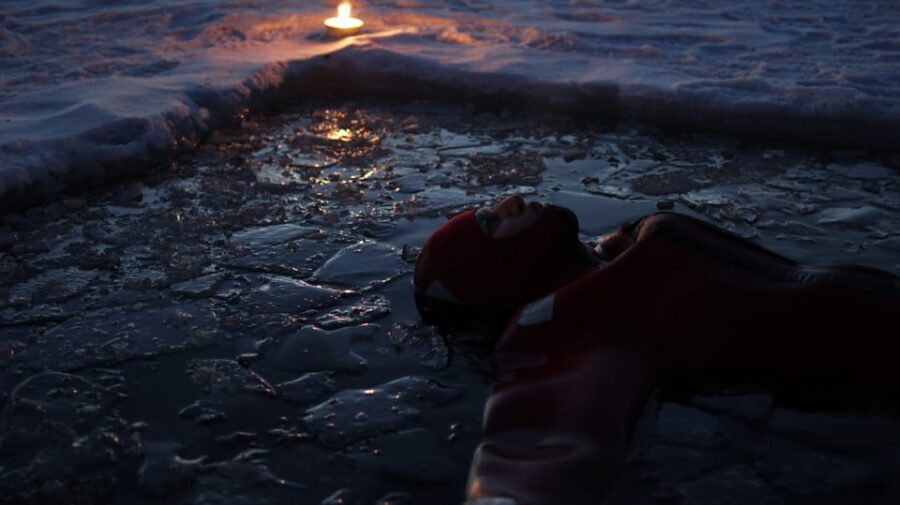
You’ll enter the frozen-water area in the suit, lie back, and float with guide support nearby. The experience is designed so you can look up and enjoy the night sky rather than struggle to stay balanced.
5) Warm tent break with hot drinks and snacks
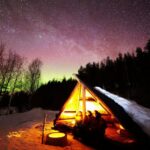
Between turns (and sometimes for people getting ready), there’s a warm-up area. Past groups have been served hot drinks, cookies/juice, and marshmallows in a traditional Finnish tent atmosphere. It’s a nice reset: you warm up, recharge, and get ready for the next part of the night.
6) Aurora spotting guidance while the evening unfolds
If skies are clear, the guides help you notice what’s visible. One smart detail from prior evenings: the aurora can look different once you step out of the water, and guides cue the group so everyone gets a fair chance at seeing it and capturing it.
The tour is about 3 hours, which is long enough to do the floating and still enjoy the warm break. It’s short enough that you won’t feel trapped in the cold all night.
Northern Lights reality check: weather, timing, and guide help
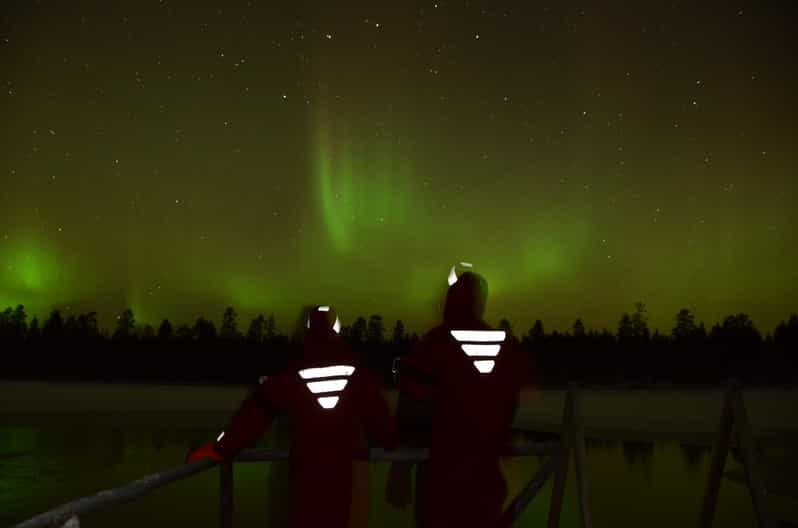
Let’s talk about the part you actually came for: the aurora. The tour runs under real Lapland weather, not a studio schedule.
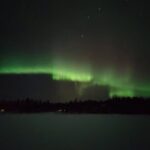
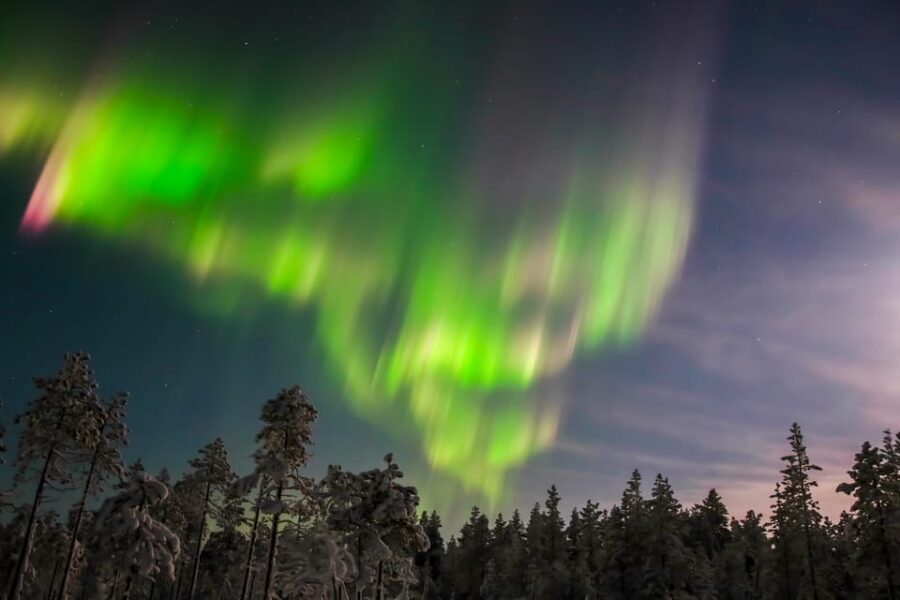
Auroras are described as possible and best when the weather is clear. If the night stays cloudy, you won’t be able to see much of the sky show. Still, you can often get a strong stargazing moment when the cloud cover cooperates.
Here’s what I think is especially valuable about this specific format: you’re not only searching the sky from a warm viewing spot. You’re literally positioned on the ice and out over the water, which changes your relationship to the night. When visibility is good, you can see stars and potentially auroras overhead while you’re floating.
One extra practical tip: past groups have found that the aurora can become pretty visible after getting out of the water, even if it looked faint at first. That’s a pattern you can plan for mentally. If you don’t see much right away, give your eyes a few moments, listen for guide cues, and watch again when you’re out of the water.
Also, the guides don’t just say, Look at that. They actively inform people about what’s visible and when to look. They’ve even helped with group coordination so people warm inside during one turn still get their moment when the aurora is more likely to show.
What the guides actually do for you (not just stand there)
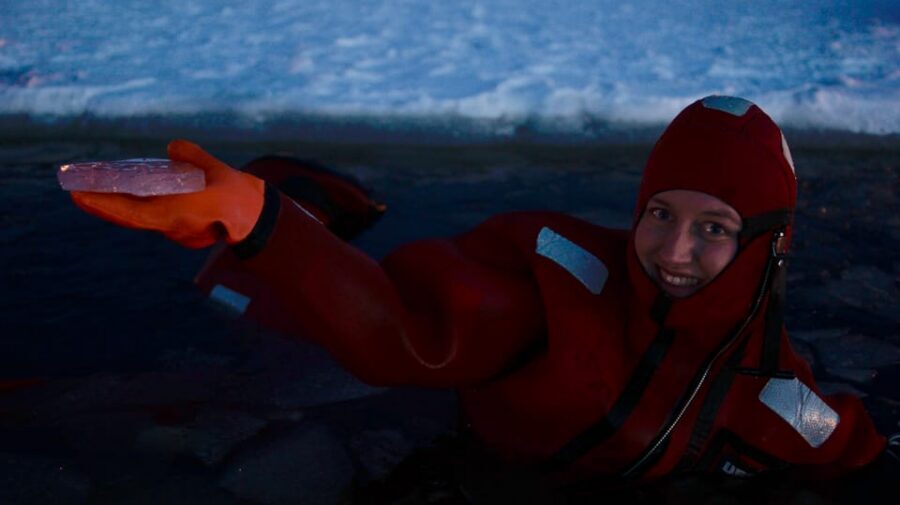
In an experience like this, the difference between good and great is what the guide does while you’re cold, distracted, and trying to keep your balance in a suit.
Based on what’s gone well for previous groups, the guides are:
- Attentive to safety
You get instructed before stepping in, and the group is managed in a way that avoids chaos.
- Comfort-focused
People have been helped to stay comfortable all the time, with the pacing and warm breaks doing real work.
- Photo-minded
Guides help with taking photos while you’re in the water. That matters because your instinct is to either look up or fiddle with a camera. Having guidance means you’re more likely to come away with something you’ll actually want to keep.
- Good at reading the group
On nights when auroras are visible, guides make sure everyone has a chance to view and photograph them rather than only the first few people getting the best angles.
Guide name mention you might recognize from experiences: Alexi has been specifically called out for helping make the night fun, even when auroras weren’t visible that evening. That’s a sign the experience isn’t only about lighting effects.
And yes, this tour is conducted with an English-speaking guide, which helps you get instructions and aurora tips without guesswork.
The scenery part: Arctic calm around Rovaniemi
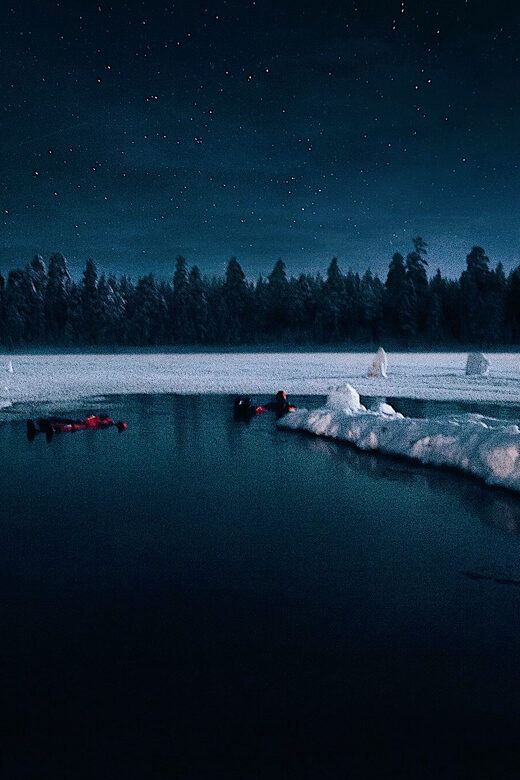
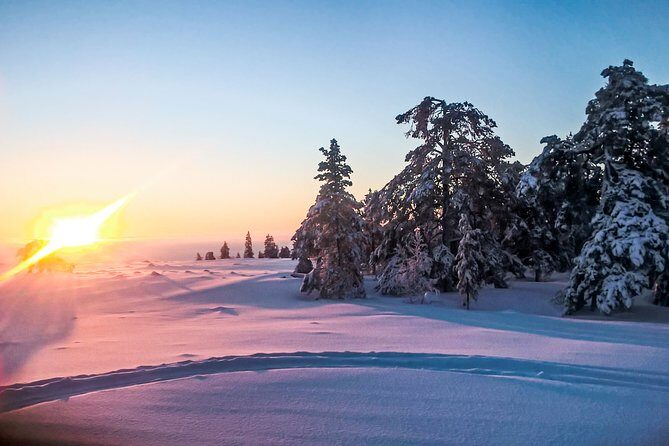
Even when auroras don’t show, you’re still in northern Finland wilderness territory with a strong sense of place. Rovaniemi’s winter setting isn’t just pretty for photos—it feels quiet and wide.
Ice floating changes what you notice. You’re not walking through a viewpoint. You’re suspended on the surface with darkness all around, and you can focus on the big shapes: the sky, the stars when visible, and the cold stillness of the water.
The experience highlights the Nordic wilderness scenery around Rovaniemi, but the real value is the mental slowdown. Lying back in an arctic environment, under a guide’s calm direction, tends to produce the kind of stillness you can’t fake with a drive-by photo stop.
Who this tour is best for (and who should skip)
This is a great fit if you want something different from the standard northern lights bus-and-brief-stop plan.
You’ll likely love it if:
- You want a safe, guided arctic activity that doesn’t require swimming skills
- You’re chasing the aurora but also value stargazing and calm time outside
- You want a tour that includes comfort planning (warm tent breaks, hot drinks, snacks)
- You like the idea of being part of the night sky action rather than just watching from land
You should think twice (or avoid) if:
- You’re not able to meet the minimum height of 120 cm for floating
- You dislike spending time outside in arctic conditions, even with provided winter clothing and a rescue suit
- You need a guaranteed Northern Lights viewing. This is weather dependent.
There’s also a practical rule: smoking indoors isn’t allowed. If you smoke, plan accordingly before you arrive.
Finally, the tour requires at least two adults to run. So if you’re booking as a solo traveler, check what’s available for your dates.
Price and value: is $155 actually reasonable?
At $155 per person for a 3-hour experience, it’s not a budget add-on. But it also isn’t just a “stand and watch” aurora night. You’re paying for:
- Winter clothing included
- Transfers included
- The floating experience itself
- Hot drinks and snacks (with treats like cookies/juice and marshmallows noted)
- Guiding and safety instruction before you enter the water
- The rescue suit and the whole safety-first setup that makes floating possible
That combination is the value story. Many Northern Lights activities focus only on transport and a viewpoint. This one includes the specialized equipment and the guided coaching that makes the whole ice part work.
If your goal is the full “Arctic night” package—floating + sky + warm tent reset—this pricing starts to make sense fast. If you only care about the aurora and would rather stay warm the entire time, you might decide to compare with a more viewpoint-style option.
What to bring (and what to think about in the dark)
Your tour provider asks for a simple thing from you: bring your passport or ID card. After that, focus on what helps you stay comfortable.
You’ll have winter clothing included, but still, you’ll want to be ready for dark conditions and cold handling:
- Wear what you’ll be comfortable in under the suit (since your own clothing sits underneath)
- Plan for normal winter behavior: keep fingers usable for zippers/phone use if you’re filming or photographing
- Expect that the tour is timed tightly, so give yourself enough buffer to reach Safartica’s office on time
And one more mindset tip: don’t treat the ice floating as a “sprint.” The best moments come from slow attention—watching the sky, letting your body settle in the suit, and using guide cues for aurora spotting.
Should you book ice floating with Safartica from Rovaniemi?
If you’re looking for a Northern Lights experience that feels hands-on, safe, and surprisingly calming, I’d say yes—book it. This is one of the few aurora-adjacent tours where you’re not stuck on land the whole time. The rescue suit setup means you’re not turning it into a fear test, and the warm tent breaks help you stay relaxed instead of miserable.
Where you should be cautious is the aurora expectation. Go for the whole night experience, not just the lights. If clear skies happen, you’ll get that magical upside. If they don’t, you’ll still get a genuinely Arctic activity with good guiding, warm drinks, and a memorable change of pace from the usual winter tours.
If you want something unusual in Lapland that still feels well run, this is a strong pick.
FAQ
Is ice floating dangerous if I’m not a strong swimmer?
No swimming skills are required. You’ll be guided and instructed before you step into the water, and the suit helps keep you on the surface.
Will I get cold in the 0°C water?
The activity uses a high quality rescue suit that covers your whole body and keeps you dry. You also wear your own clothing underneath, which helps you stay warm even in the cold water.
Are Northern Lights guaranteed during the tour?
No. Northern Lights depend on weather and visibility. The experience is best when the sky is clear.
What’s the minimum height requirement?
The minimum height for the floating is 120 centimeter.
Where do I meet for pickup?
Meet at the Safartica Office at Koskikatu 9, about 25 minutes before the activity starts.
What do I need to bring?
Bring a passport or ID card. Smoking indoors is not allowed.